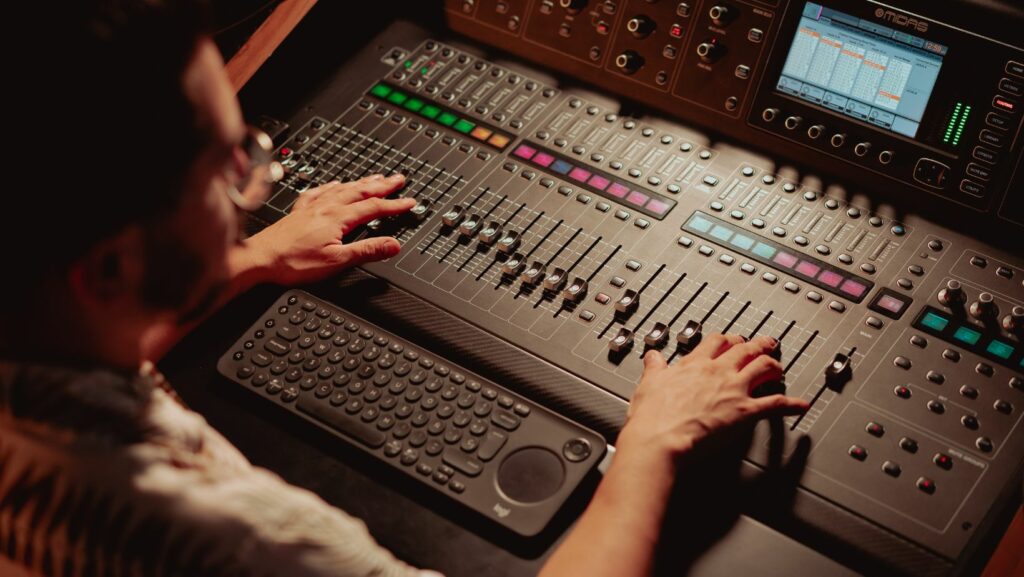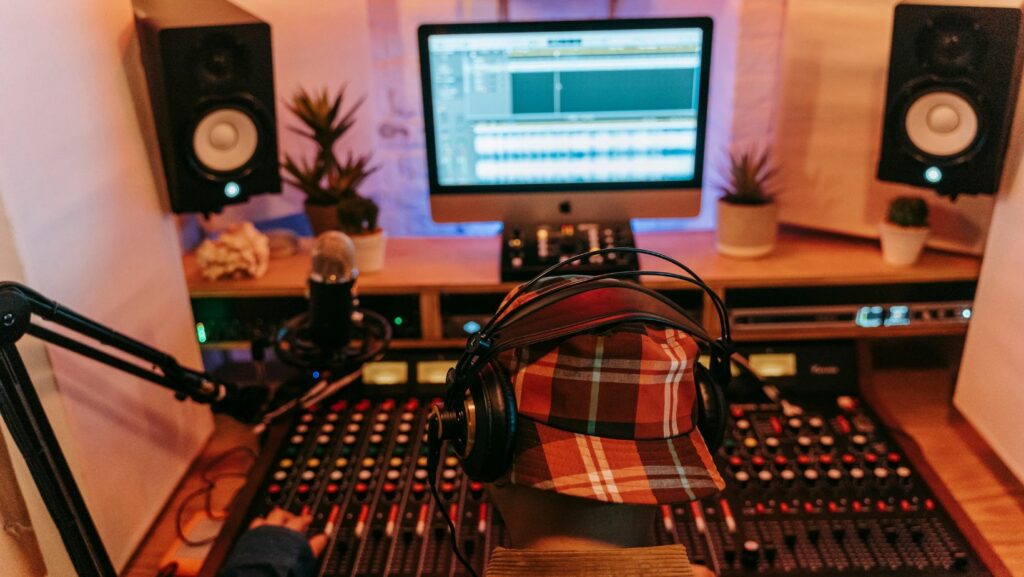
Visual content often appears simple when viewed from the outside, because a product shot may glide across the screen, a title may appear, or a camera may cut from one angle to another without much obvious complexity. Yet the difference between an edit that feels flat and one that feels polished often comes down to the sound choices working underneath the visuals.
Small sound details give movement a stronger sense of purpose by helping the viewer feel a cut, a transition, or a shift in energy without pulling too much attention away from the image. This is why editors, content creators, and filmmakers often rely on whoosh effects when shaping modern video, especially when they want movement to feel smoother, cleaner, and more intentional. Sound is not only used to fill silence, since it also guides attention, supports rhythm, and makes visual movement feel more natural inside the edit.
Why Visual Movement Feel Stronger With Sound.
Most edits are built around movement, whether that movement comes from a camera pan, a logo animation, a product reveal, or a simple cut from one idea to the next. Without sound, those movements can still be understood by the viewer, but they may feel unfinished because there is nothing helping the transition carry emotional weight.
Transition sounds help connect visual movement with emotional movement, which is why a soft sweep can make a calm edit feel elegant while a sharper whoosh can make a fast cut feel energetic. A deeper pass-by sound can also make a cinematic moment feel larger, especially when the visual already suggests speed, scale, or dramatic motion.
The best sound effects do not compete with the image, but instead support what is already happening on screen and help the viewer feel that every movement belongs in the edit.
Smoother Transition Through Better Sound Design
Transitions are one of the most common places where sound makes a clear difference, because even a simple cut can feel more intentional when the right sound sits beneath it. The effect does not need to be loud or dramatic, but it should match the speed, direction, and feeling of the visual moment.
A fashion video may use soft air-like movement to support fabric, camera motion, or a smooth title reveal, while a technology video may need cleaner digital sounds that match interface animation and product movement. A sports edit, on the other hand, may call for faster and heavier movement sounds that match speed, impact, and intensity without making the scene feel overdone.
The key is choosing a sound that fits the pace of the scene, because an effect that is too large can make the edit feel exaggerated, while an effect that is too weak can leave the transition feeling empty.
Why Subtle Sounds Often Work Finest
Not every moment needs a dramatic sound, and in many edits the most effective sound design is quiet enough to stay in the background while still giving shape to the movement. A gentle whoosh under a title can make the animation feel smoother and more polished without pulling attention away from the message or the main visual idea.
This matters especially in brand videos, product content, social media ads, and lifestyle edits, where the sound design should make the work feel professional without making it feel too heavy. These formats usually need polish, but they also need restraint, because viewers should notice the flow of the edit more than the individual effects inside it.
Strong edits often use sound in layers, with a light movement sound supporting a transition while ambience or music carries the broader emotional tone. When these elements work together, the whole video feels more complete and the viewer experiences the edit as one connected piece.
Matching Sound To The Mood Of The Video
Different projects need different textures, because a cinematic trailer may require bold and dramatic movement while a beauty campaign may need soft and smooth transitions. A documentary may only need light motion sounds to guide the viewer through cuts and visual changes without making the story feel overly produced.
This is why variety matters in sound design, since editors need sounds that can match different genres, speeds, and emotional tones. The same effect that works for an action montage may feel too strong for a calm product video, while a subtle sound that works beautifully in a lifestyle edit may not have enough energy for a trailer.
High-quality whoosh effects give creators more control over these choices because they can add speed, tension, elegance, or impact depending on how they are placed in the edit.
The Role Of Sound Libraries In Faster Editing
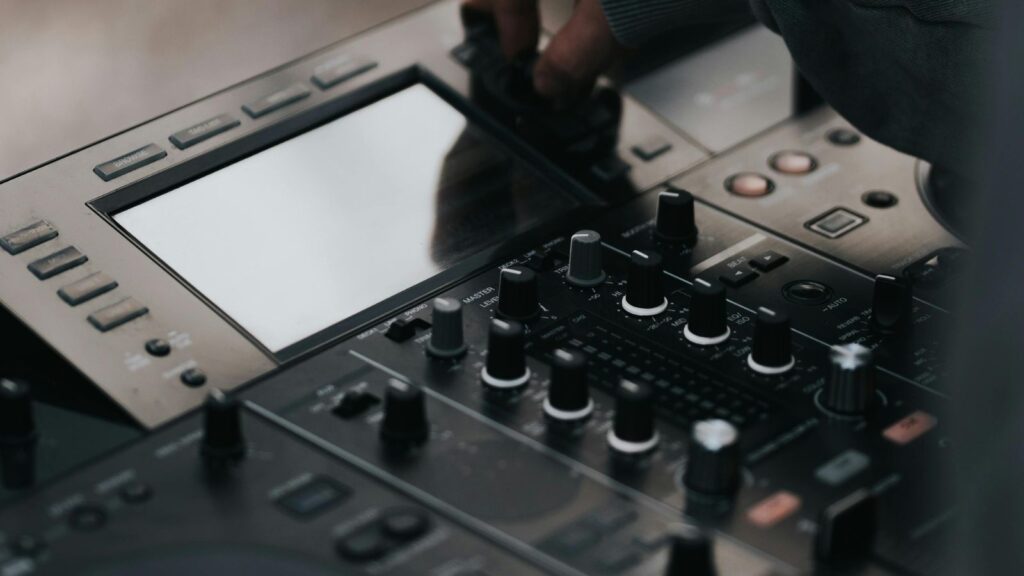
Modern editors often work under tight timelines, especially when creating social campaigns, YouTube videos, trailers, reels, and branded content that all require quick creative decisions. Having reliable sound effects ready to use can make that process easier because the editor does not need to build every transition sound from scratch.
Instead of designing each sound manually, editors can choose prepared sounds that already have shape, movement, and detail while still adjusting them to fit the exact rhythm of the project. These sounds can be layered, shortened, reversed, stretched, or combined with music and ambience to create a more polished result.
Platforms such as Ocularsounds focus on professionally designed audio assets for creators, helping editors find cinematic sounds that can support films, trailers, games, branded content, and social media videos without slowing down the creative process.
Sound Makes Edits Feel Finished
A strong visual edit needs rhythm, and sound plays a major role in creating that rhythm because it tells the viewer when something is moving, when a transition matters, and when the energy of a scene is changing. Even when the audience does not consciously notice each sound, they often feel the difference through the way the edit flows.
A silent transition can feel empty, while a poorly matched effect can feel distracting because it pulls the viewer out of the visual experience. The right sound sits naturally inside the edit, makes the movement feel complete, and adds polish without making the project feel crowded.
This is why sound design remains important in everyday video production, whether the project is a short social clip, a product launch, a documentary sequence, or a cinematic trailer. Movement sounds help visuals feel connected, and they give editors a practical way to shape energy without adding unnecessary visual complexity.